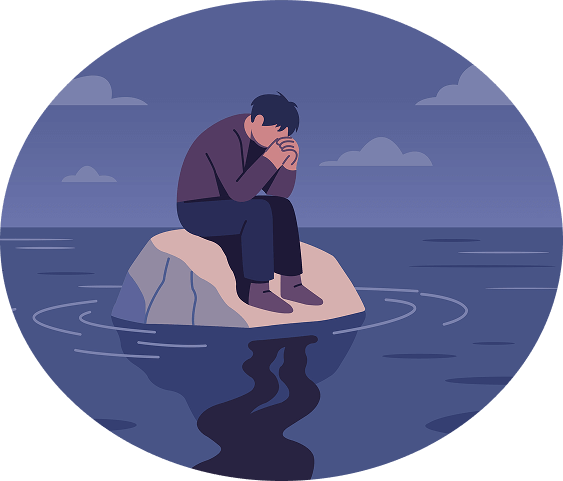
Anxiety is characterised mainly by constant uncontrollable worry, overthinking and unease that disrupts daily living and causes distress.
This can be caused by stress from external life or an extra additional factor to another preexisting mental illness. Anxiety can cause individuals to respond to experiences in a fight or flight response leading to physical symptoms of fear such as a panic attack.
Depression often affects the individual’s quality of life and wellbeing through the experience of prolonged sadness, numbness or guilt. This may result in frequent negative thoughts, isolation and withdrawal from friends and family, and apathy towards activities that once provided enjoyment.
Sometimes depression symptoms worsen due to life experiences that cause significant stress, or the person is predisposed to having it due to family history.
Art therapy is used as a complementary treatment for anxiety and depression. It is able to alleviate internalised emotions, increase dopamine levels, stress relief, and provide momentary relaxation.
By doing this, we focus on enhancing wellbeing holistically through grounding thoughts by using sensory art activities and DBT based approaches for grounding in sessions.
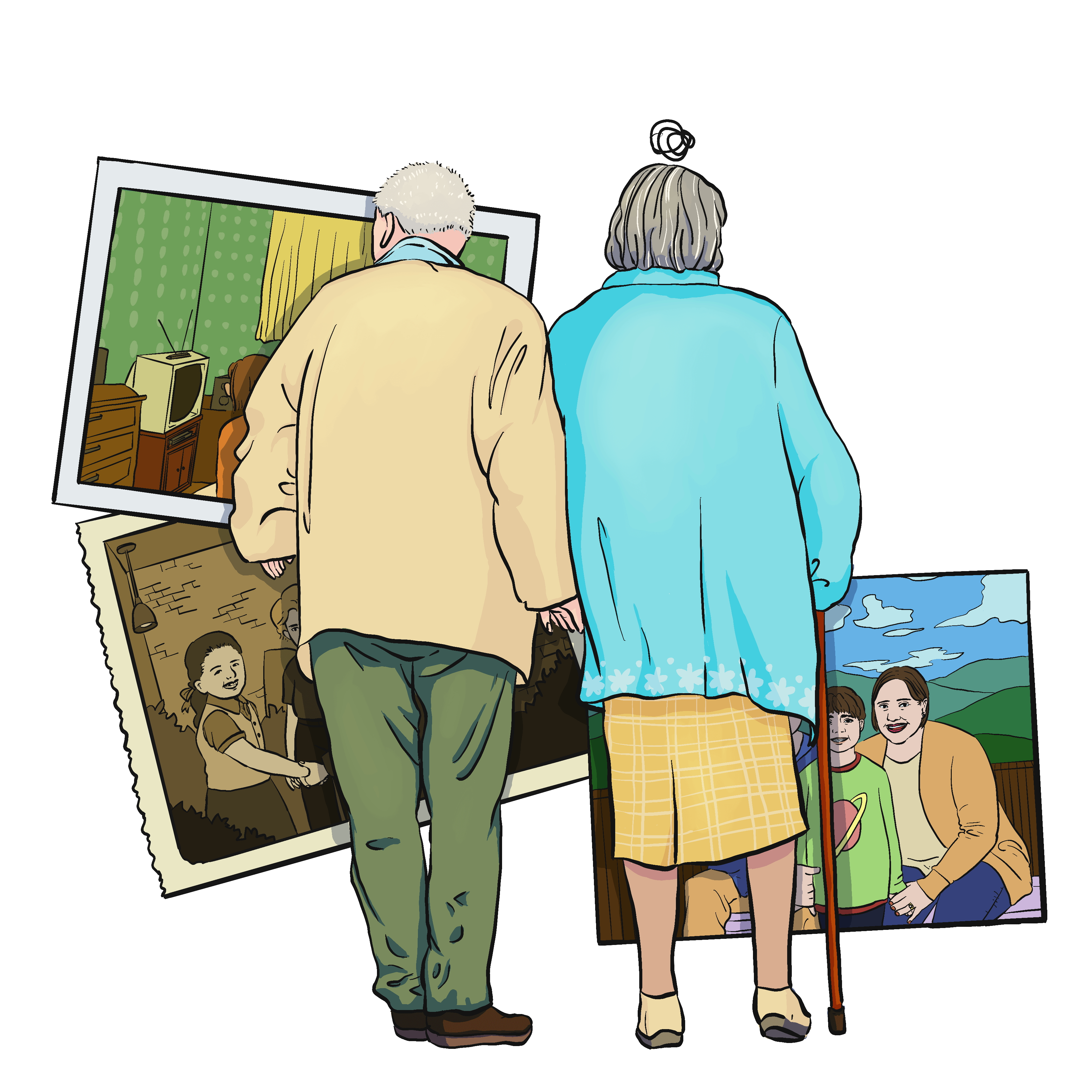
Dementia is not inherent in all elders, but is a symptom of illness that is attributed to the elderly population. There are many types of dementia and four common ones are: Alzheimer’s disease, vascular dementia, frontotemporal dementia and Lewy body dementia.
Art therapy is considered a valuable non-pharmacological intervention for people with dementia as it offers cognitive, emotional and social benefits. It stimulates the brain, improves mood and communication while also providing non-verbal ways of self-expression. As such, art therapy for people with dementia is cited to improve subjective wellbeing.
For more information about art therapy with elders, we recommend reading Dr Raquel Chapin Stephenson’s book, Art Therapy and Creative Aging.
More information about art therapy and dementia can be found at Dementia organisations such as Dementia Australia, Hammondcare, and the Wicking Dementia Research and Education Centre.
Art therapy can help those experiencing burnout caring for individuals with dementia. It can also aid in processing grief and loss for guardians/carers who experienced the passing of a loved one.
We work with the Continuing Bonds and Dual Process Model approach, looking at memorialising the person, constructing and reconstructing memories.
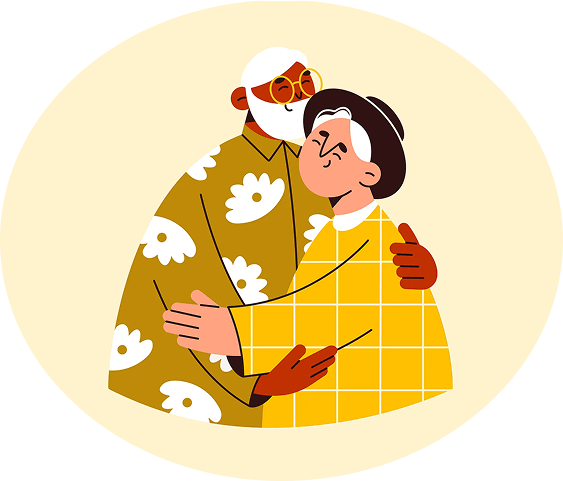
Art therapy for elders is often framed around socialising and enhancing well-being through mental activity like creative engagement. In the community-based environment, art therapy group programs are used to provide social engagement through making art and reflection/conversation.
A common aspect of art therapy especially when working with elders is the sensory value of art materials. Often the combination of using the senses and the art-making process is attributed to helping with memory and emotional regulation.
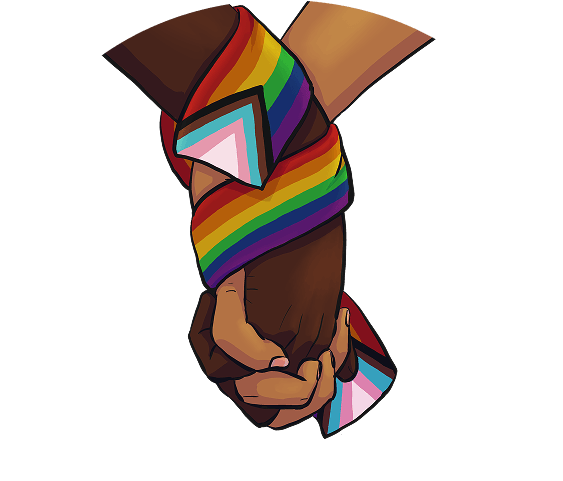
As members of the LGBTQIA+ community we pride ourselves on providing safe space and an understanding ear.
Art therapy is an eclectic and varied medium and can be used as a form of emotional, identity and political expression which brings communities together.
We provide counsel in queer experiences regarding coming out, family dynamics, identity exploration as well as any intersectional experiences such as cultural considerations.
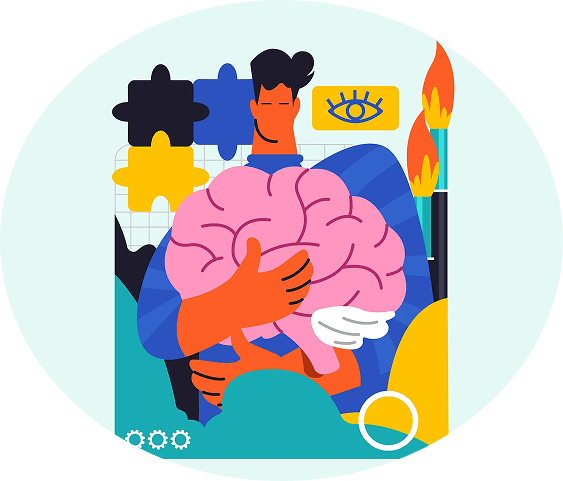
Youth focused art therapy often aims to help adolescents and young adults with emotional expression, identity development, mental health, confidence building and processing trauma.
By providing a safe environment, adolescents have the opportunity to explore coping skills and learn social and emotional self awareness through both verbal and non-verbal means of communication.
Art therapy with adolescents and young adults explores transitional life stages and the growing mind and environment of the individual. This can be done in a group setting or individual one.
When doing art therapy with youth, we acknowledge the cultural aspects of family dynamics and roles that are played inter-generationally. This may come up in artwork as a form of visual symbolism that can be explored at the pace of the client.
More information about youth focused art therapy can be found at the Sydney Children’s Hospitals Network site and articles on Frontiers.
Specifically Autism
Neudivergence is a term used for people who have different thinking patterns and processes than what is considered mainstream for their age group. It is often a spectrum and the experiences may not be universal.
Art therapy provides an alternative communication that focuses on visual and sensory communication and reflection. This allows for the neurodivergent individual to foster a different kind of self-expression that is not solely based on verbal communication.
During this developmental stage, adolescents and young adults diagnosed with Autism may face challenges managing change in social dynamics with peers and family as they transition to adulthood.
Preexisting mental health conditions may worsen due to hormonal changes, increased academic and social pressure.
Common behaviours that signal potential concerns according to Autism Awareness Australia are increased stimming, persistent lethargy/low mood, negative self talk, reluctance or refusal to go to school and decreased ability to emotionally regulate emotions of anger.
Art therapy is able to provide a safe space for young people with Autism to express emotions that are difficult to explain or understand. It also provides an outlet for expressing their interests and building confidence in their social abilities (particularly in role play and group sessions).
ADHD is characterised by hyperattention, difficulty concentrating and distracted due to an active mind. Young people with ADHD can experience difficulty paying attention in classes, being overwhelmed by their environments, managing their relationships which can lead to self-criticism regarding task follow-through.
Art therapy can be used to hone focus, channeling emotions, and helping with emotional regulation.

Both Autism and ADHD are affected by stimulation from the environment around them. Both can be overwhelmed by emotional, physical and mental stimulation, but can manifest differently.
In Autism it may surface as self-isolation, self-soothing through stimming, and avoidance/anger when engaging with the place or activity of overstimulation. For ADHD, it may surface as hyperactivity or hypervigilance, scattered thinking and behaviour leading to emotional imbalance.
Although art therapy is an evidence based practice for neurodivergence, if there are more serious concerns such as self-harm and suicide ideation, it is best to consult a Youth Mental Health Centre, GP or Specialist where there will be more resources available to you for crisis related issues.
For more information about neurodivergence in youth you can refer to Autism Awareness Australia, Headspace Youth, KidsHealth.
Skylark Creative Therapy is not a crisis service.
If you or someone else is in a crisis, or experiencing suicidal or homicidal thoughts, please contact 000 or the support hotlines listed on the right.

Available 24/7 for crisis support and suicidal prevention
Call: 13 11 14
Text: 0477 13 11 14
24/7 support and counselling available for young people aged 5 to 25
Call: 1800 55 1800
Nationwide, 24/7 counselling service for people affected by suicide
Call: 1300 659 467