During the 1940s, art therapy was formalised in Britain and America, introduced in psychiatric and mental health settings as well as an aid for patients with tuberculosis.
It was documented since then that the effects of art therapy were often related to emotional expression, problem-solving and self awareness.
There are different forms of art therapy practice, at Skylark Creative Therapy we use a strength-based and person-centred approach, where we explore an artwork’s visual language and symbolism at the client’s comfort-level and pace.
A common misconception about art therapy is that it is an art class. Although there are visual art teaching elements to art therapy practices, these are typically used for helping clients enhance self expression rather than mastering art techniques.
Art therapy is open to all forms of art mediums. When we refer to mediums, we refer to the kind of art we make. Sometimes clients are attracted to one medium of art more than another whereas others may like to dip their toes into multiple. Examples of art mediums are painting and sculpture; to photography and digital arts/design like typography or animation; to crafts such as knitting, sewing and collage.
More resources to learn about art therapy can be found at ANZACATA and the Journal of Creative Arts Therapies (JoCAT).
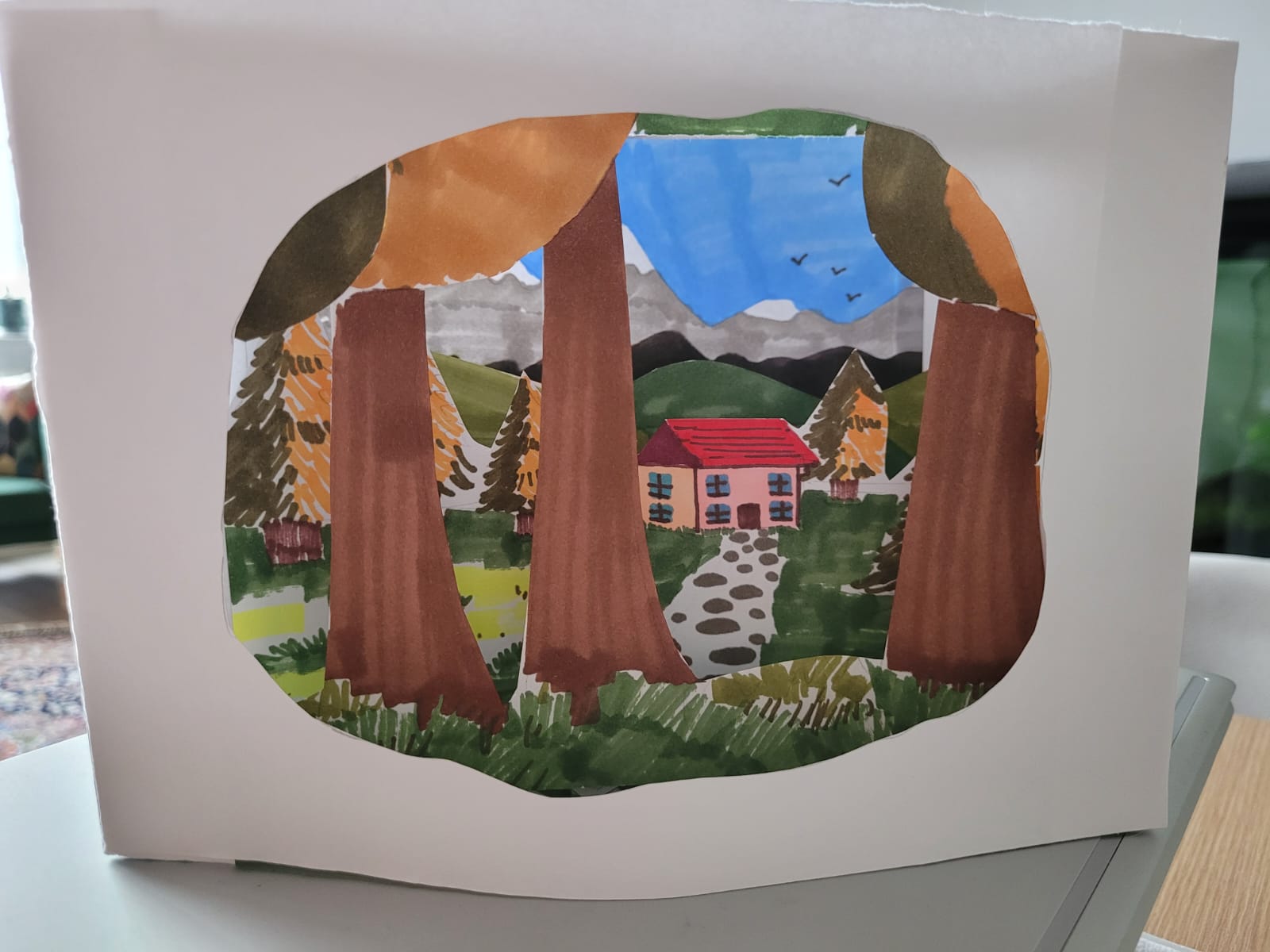

No, you don't need any prior art experience to participate in art therapy. Art therapy uses the art-making process to support emotional processing, and the therapist will guide and adapt activities to suit you. There is no expectation to produce a "finished" artwork by the end of the session.
We provide a range of art materials, from paint to craft materials such as clay. If you are inspired during one of the sessions and would like to bring in your own materials to explore, we encourage you to discuss with the art therapist about it.
Similarly for home visits, we will bring the materials to you with no extra costs.
Art therapy is open to all forms of art mediums as ways of expression. You could be attracted to one medium of art more than another, whereas others may like to dip their toes into multiple. We adopt person-centred approach in our therapy practice, so you get to define what you are interested in exploring each session.
Art therapy is not covered by Medicare, and Skylark Creative Therapy is currently not linked to Medicare, the NDIS, or private health insurers.
However, we do offer concession rates for clients under 16 and for pensioners. Please contact us for current concession pricing and payment options.